Graffiti Monument
Boston, Massachusetts
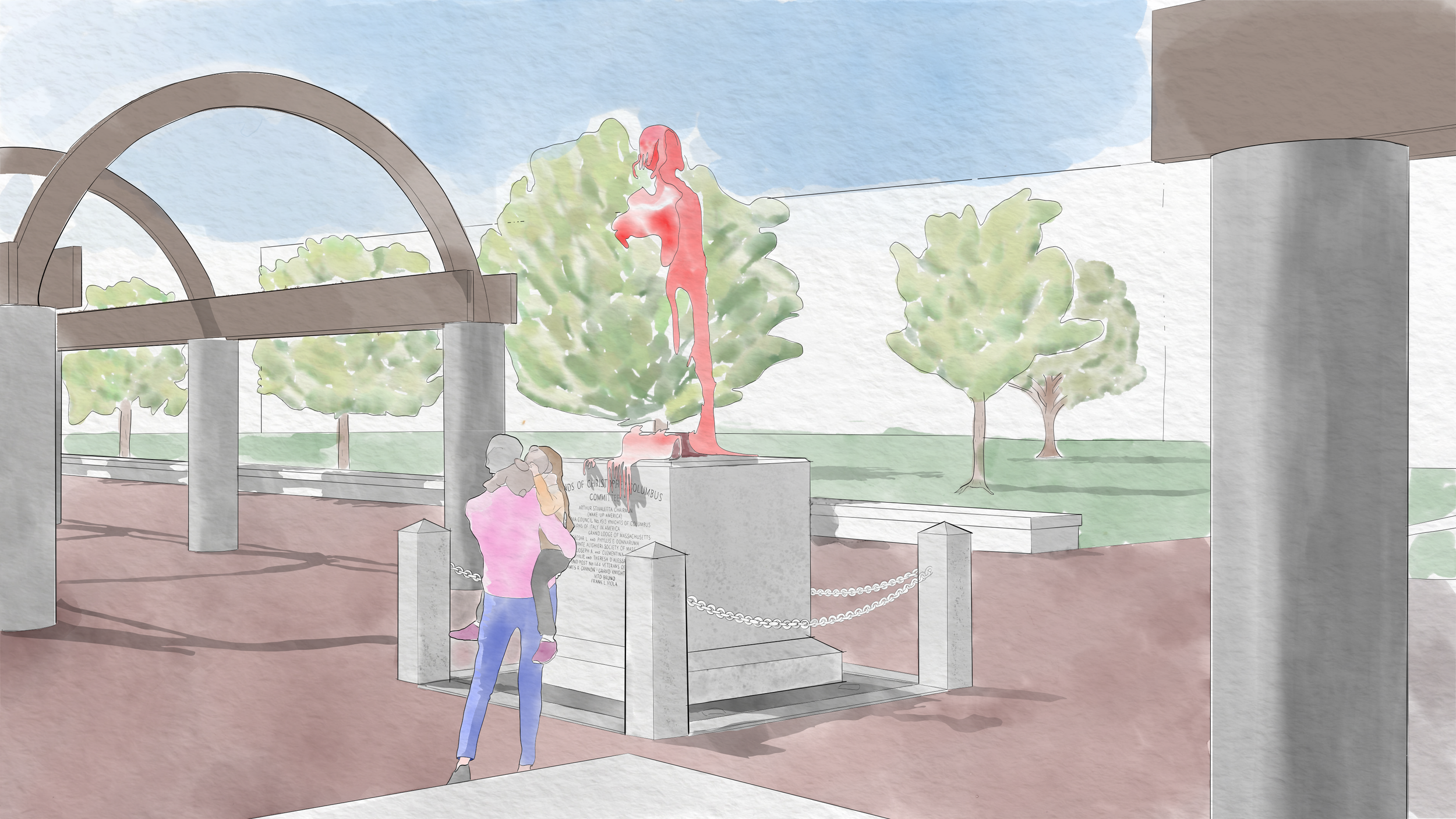
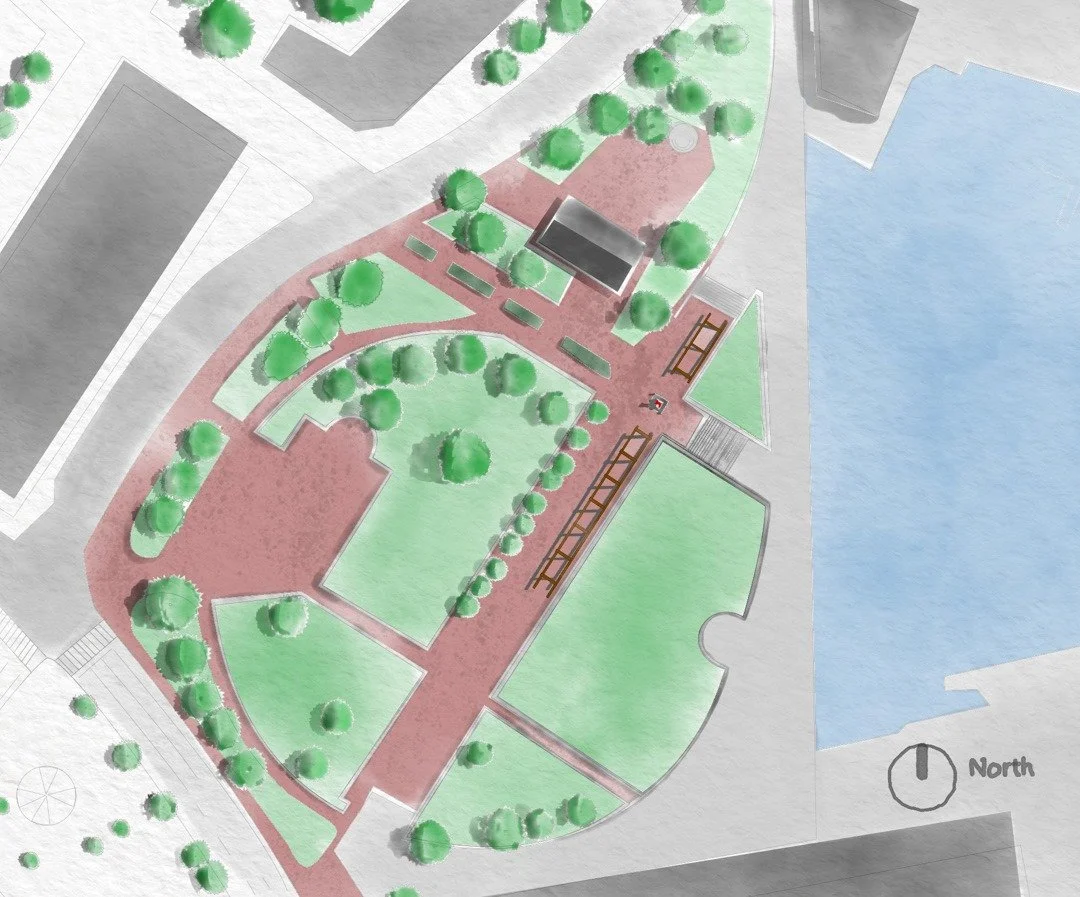
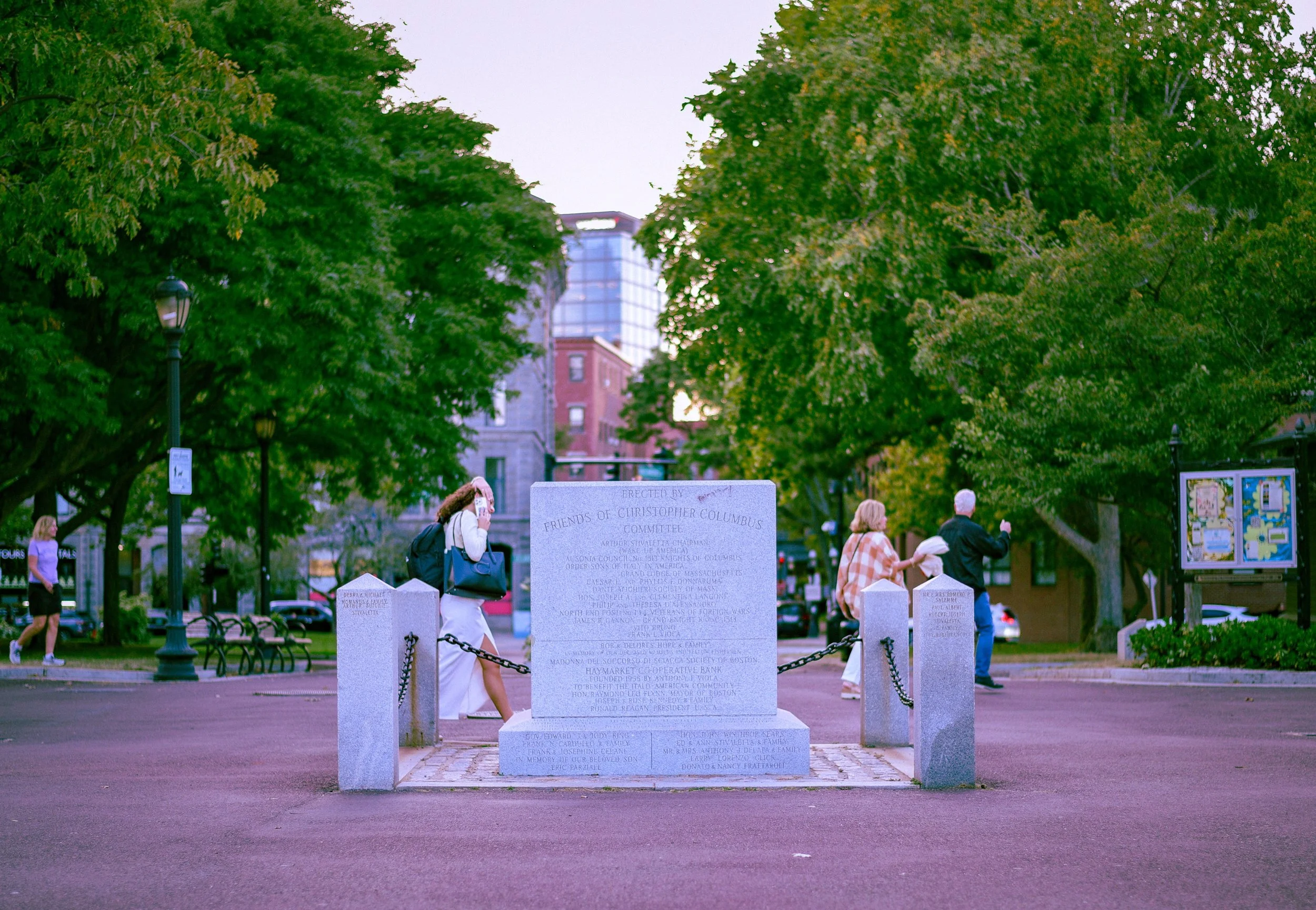
Designed by legendary landscape architect Hideo Sasaki, Waterfront Park has long been a popular gathering spot in Boston. In 1979, three years after its opening, the park was renamed Christopher Columbus Park and a marble statue of the navigator, commissioned by right-wing culture warrior Arthur "Mr. Wake-Up America" Stivaletta, was placed at the intersection of its two main pedestrian thoroughfares.
The statue was vandalized with red paint in 2004 and again in 2015. In 2020, the city of Boston removed it, leaving the pedestal intact.
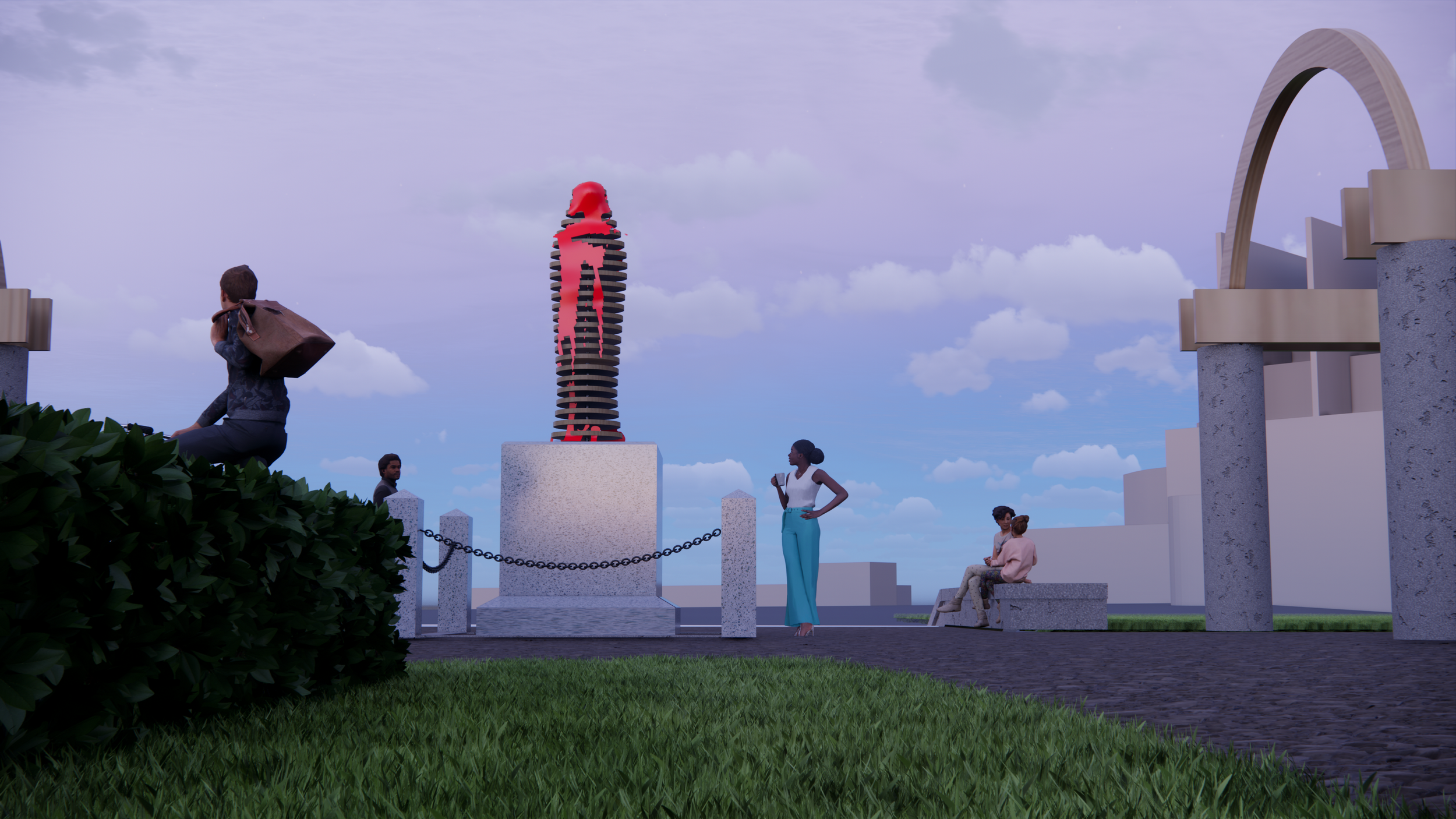
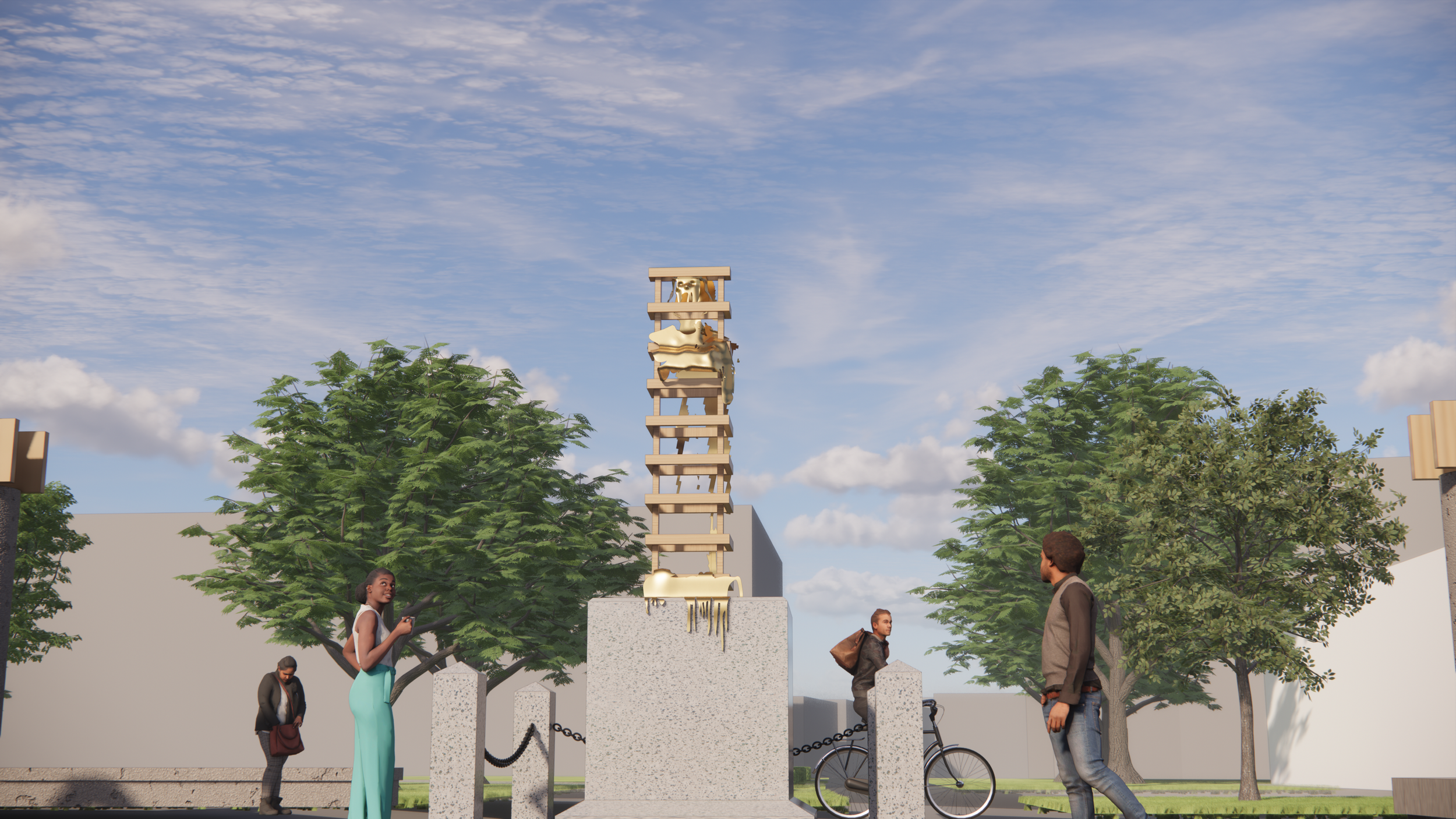
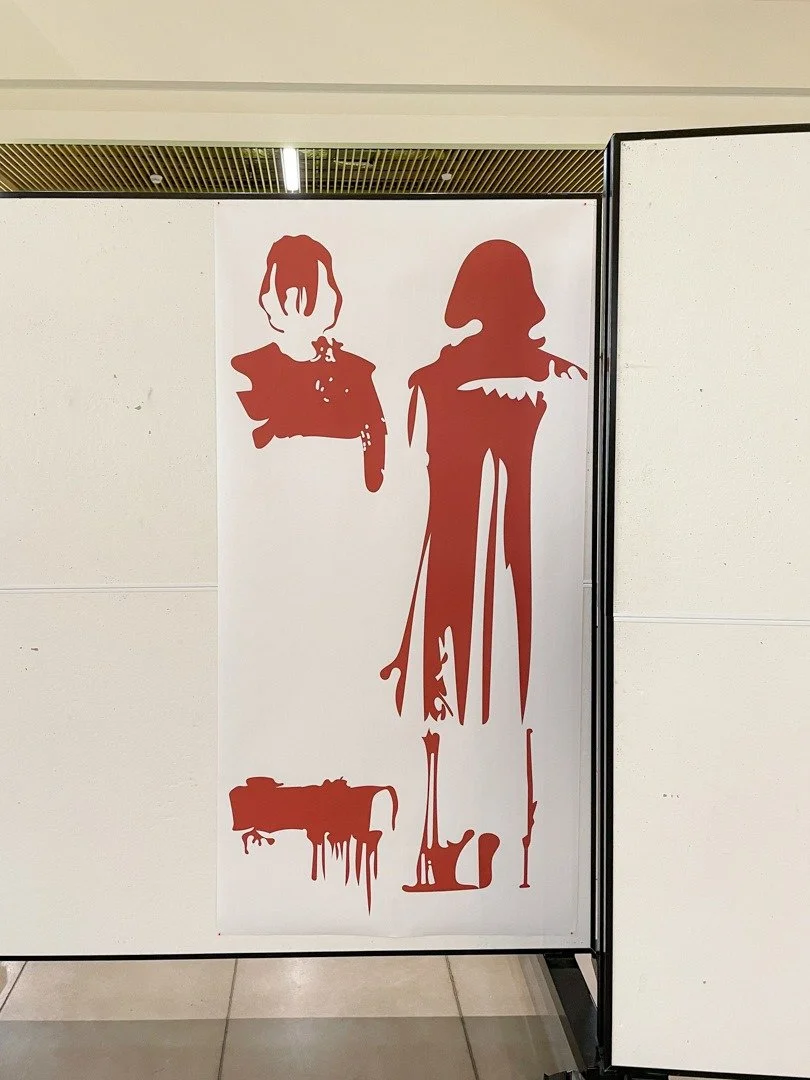
This proposal draws on Macalester Bell's essay "Against Simple Removal: A Defense of Defacement as a Response to Racist Monuments" (2022), which argues that racist monuments should remain in place as sites of ongoing community dishonor rather than be quietly erased. The graffiti monument removes Columbus but preserves the red paint as a permanent sculpture, a record of dissent rather than an erasure of it. By publicly dishonoring Columbus, the monument expresses solidarity with Indigenous peoples and those who risked consequences to make their disapproval known.
Pictured: Columbus Graffiti Monument (Counter-Monument Proposal), digital watercolor, Adobe Fresco on iPad Pro, 2023
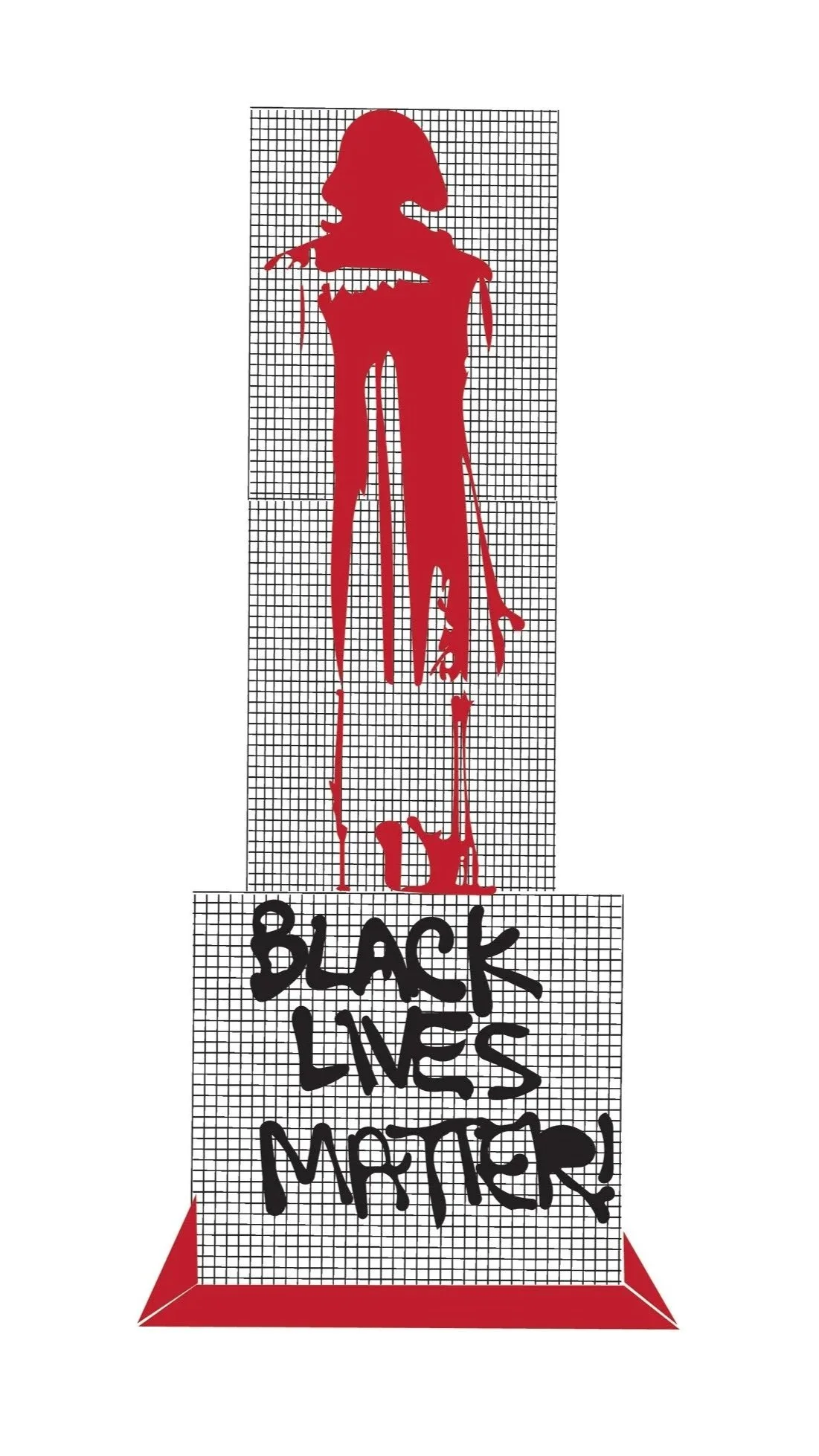
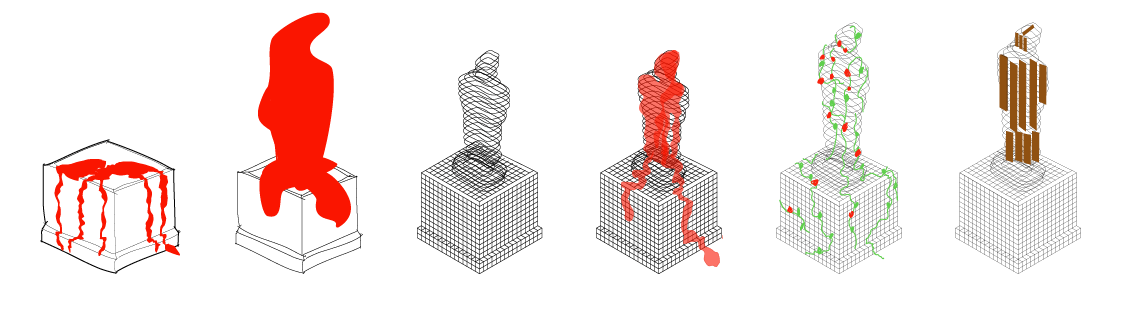
Graffiti Monument Conceptual Sketches
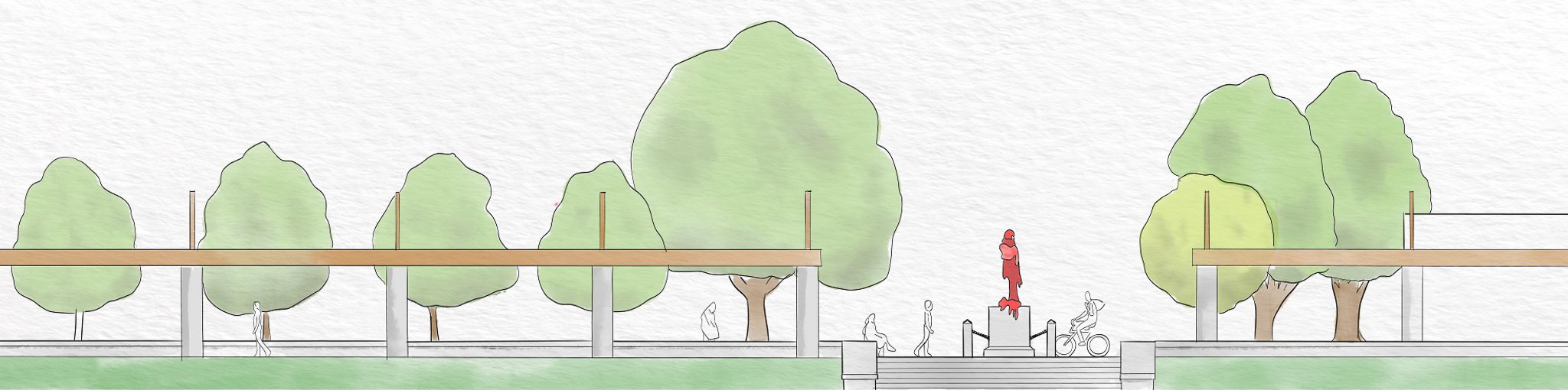
Watercolor site plan of Christopher Columbus Park, originally designed by Hideo Sasaki, with graffiti monument proposal, Adobe Fresco on iPad Pro